Signs You Need Water Line Repair: A Detailed Guide for Homeowners
Property owners frequently miss subtle signs of plumbing line concerns until they worsen. Sudden increases in water bills, unexplained wet spots in the yard, and reduced water flow are just several warning signals that something may be off. Cloudy water and strange noises from pipes can further add to the problem. Being aware of these warning signs is essential for sustaining a healthy water system. What other signs should homeowners monitor to prevent costly repairs?
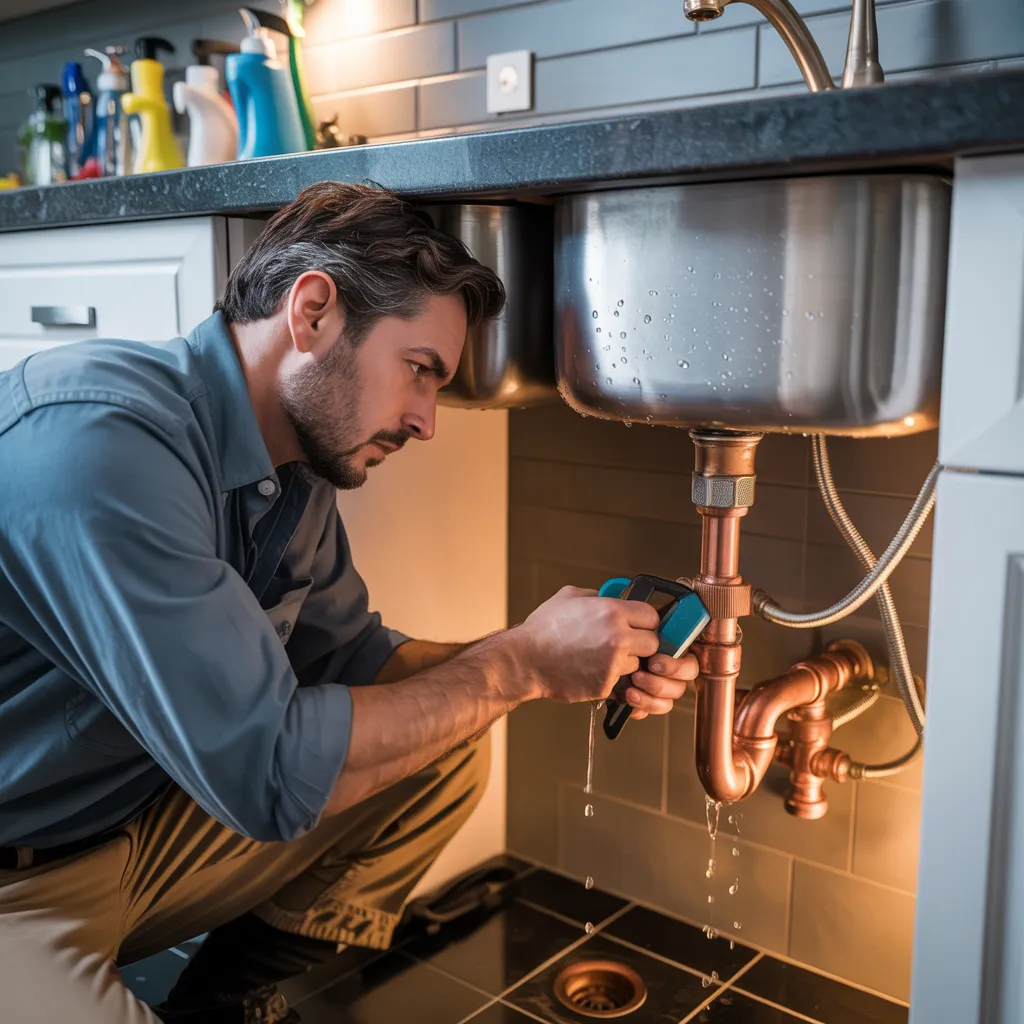
Sudden Spikes in Water Charges
A sudden increase in a water bill can be a cause for concern for many homeowners. This elevation commonly suggests a deeper problem, such as a leaking water line. Residents may at first disregard the escalation, assigning it to seasonal fluctuations or elevated usage, yet it remains vital to probe deeper. Unaddressed leaks may result in substantial water loss and possible property damage.
In addition, homeowners should take into account other factors that may result in higher bills, such as changes in household occupancy or usage patterns. Nonetheless, if these factors cannot explain the increase, a thorough inspection of plumbing and water lines becomes crucial. Early detection of issues not only saves money but also avoids extensive repairs down the line. Thus, a sudden spike in water bills should not be disregarded as a mere inconvenience, but rather as a signal to examine the home's plumbing integrity.
Mysterious Damp Areas in Your Garden
In what ways can homeowners recognize potential water line concerns upon noticing mysterious wet patches in their yards? Unexplained wet spots can indicate a leak in the water line, which may not be immediately visible. Homeowners should pay attention to the size and permanence of these damp areas. If the spots persist after periods of dry weather, it could suggest a continuous water flow from a broken pipe. Furthermore, property owners should check whether the damp areas are joined by thick grass patches or exceptionally green plant life, which may signal excessive moisture.
To conduct additional investigation, they can perform a simple test by marking the area and observing it over several days. If the wetness remains present, it's recommended to consult a professional to inspect for hidden leaks. Prompt attention to these signs can avoid more serious damage and costly repairs later on.
Reduced Water Pressure
Homeowners often find low water pressure to be a frustrating problem, which may stem from unnoticed water line complications, such as leaks producing soggy spots throughout the lawn. When water pressure diminishes, it can impede routine activities, making simple tasks like showering or washing dishes more difficult. Homeowners may notice weak streams from faucets or showerheads, which can point to hidden complications.
Beyond leaks, the collection of mineral deposits in pipes can limit water flow, resulting in diminished pressure. Aging or corroded pipes may also add to this concern, as they can become restricted over time. If homeowners notice low water pressure continuously, assessment it is advisable to explore further. Determining the root cause early can prevent more extensive damage and expensive repairs in the future. Regular maintenance and immediate attention to evidence of trouble can help preserve proper water pressure in the home.
Stained or Cloudy Water
Discolored or murky water can be alarming for homeowners, often signaling underlying issues within the plumbing system. This water quality concern may stem from rust, sediment, or other contaminants infiltrating the water supply. Common causes include deteriorating pipes, especially those composed of galvanized steel or iron, which can deteriorate and leach materials into the water. Additionally, disturbances in the water supply, such as construction or changes in water pressure, can stir up sediments in the pipes, resulting in discoloration.
Property owners shouldn't overlook discolored water, as it can create health dangers and indicate the need for immediate action. Water testing is crucial to establish the contaminants present, while contacting a professional plumber can help locate the source of the problem. Prompt action can avoid further damage to the plumbing system and secure the safety of the household's water supply.
Uncommon Sounds From Your Pipes
What may be causing the unusual sounds originating from the pipes? Homeowners may notice banging, gurgling, or hissing noises, which can indicate various issues within the plumbing system. Banging sounds, often referred to as water hammer, can happen due to sudden changes in water flow, indicating the need for pipe securing or air chamber installation. Gurgling noises typically suggest a blockage in the drain line or venting issues, potentially leading to more significant problems if not addressed promptly. Hissing sounds may suggest a leak or pressure imbalance in the water line, requiring immediate attention to prevent water damage. Identifying these sounds early can help homeowners eliminate costly repairs and maintain the integrity of their plumbing systems. Regular inspections and prompt repairs are essential to guarantee a quiet and efficient water delivery system.
Common Questions
Where Can I Locate My Water Line for Inspection Purposes?
To locate the water line for inspection, it's recommended to check property records, look for water meter placements, inspect crawl space or basement areas, and trace exposed pipes extending from the home to the main supply line.
What Are the Most Common Causes of Water Line Leaks?
Water line leaks commonly result from old pipes, pipe corrosion, tree root intrusion, ground shifting, ground movement, subfreezing conditions, and incorrect installation. Each factor contributes to the weakening and failure of water line structural integrity over time.
How Often Should I Inspect My Water Lines?
Home owners should review their water lines at least one time each year. Routine inspections can help detect potential issues early, preventing costly repairs and making certain the system runs efficiently throughout the year.
Can I Fix a Water Line Myself?
Fixing a water line by yourself is achievable for some skilled individuals, but it often requires specialized tools and expertise. Homeowners should thoroughly assess their skills and consider professional help for intricate repairs to minimize further damage.
What Are the Long-Term Effects of Ignoring Water Line Issues?
Neglecting water line issues can bring about severe structural damage, mold growth, and rising water bills. Over time, these troubles escalate, bringing about costly repairs and potential health hazards for occupants in the affected property.